Breathing is something most people don’t think about—until it becomes difficult. Chronic mouth breathing, snoring, disrupted sleep, or a feeling of restricted airflow can all impact daily energy, focus, and overall well-being. In some cases, the structure of the teeth and jaws plays a role in how easily air moves through the airway.
Orthodontics is increasingly recognized as one component of a broader, multidisciplinary approach to airway and breathing health. Understanding how orthodontic care can support airway function—and what to look for in specialized care—helps patients make informed decisions rooted in long-term wellness.
The Connection Between Orthodontics and Airway Health
The airway is influenced by the position and development of the jaws, teeth, tongue, and surrounding structures. When these elements are out of balance, airflow may be restricted, particularly during sleep.
Orthodontic treatment does not treat medical breathing disorders on its own, but it can support healthier airway structure by addressing:
- Jaw width and development — Narrow arches may limit space for airflow
- Tongue posture — Crowding or lack of space can affect tongue position
- Bite alignment — Jaw imbalance can influence airway space
- Mouth breathing patterns — Often linked to structural constraints
By improving dental and skeletal relationships, orthodontics may contribute to improved breathing mechanics for some patients.
Common Signs of Airway-Related Concerns
Airway issues can present differently in children and adults. While a medical evaluation is always essential, certain signs may indicate that orthodontic structure is worth assessing:
- Chronic mouth breathing
- Snoring or restless sleep
- Daytime fatigue or difficulty concentrating
- Narrow dental arches or crowding
- Frequent headaches or jaw tension
- Forward head posture
These symptoms don’t always point to a single cause, but they may signal the need for a comprehensive orthodontic evaluation.
How Orthodontic Treatment May Support Airway Function
Orthodontic care focused on airway awareness aims to create balance and space within the oral and facial structures. Depending on age and anatomy, treatment may help by:
- Expanding dental arches — Increasing space for the tongue and airflow
- Supporting jaw alignment — Encouraging a more functional jaw position
- Improving bite balance — Reducing strain that can affect posture and muscle tension
- Encouraging nasal breathing — By improving oral structure and tongue posture
These changes are typically gradual and carefully monitored, prioritizing function and stability over speed.
Airway-Focused Orthodontic Treatment Options
Treatment approaches vary based on individual needs and stage of development. Options may include:
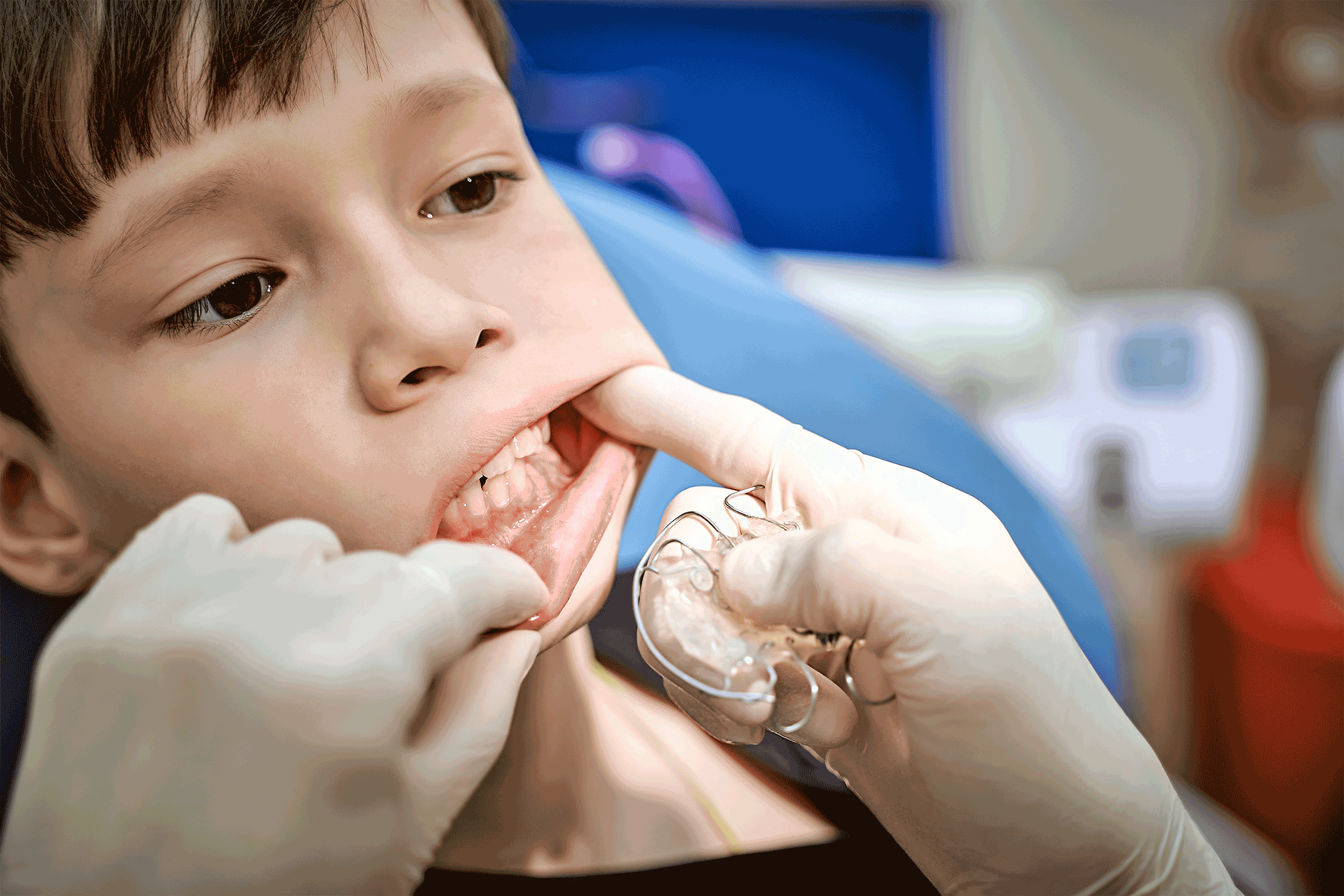
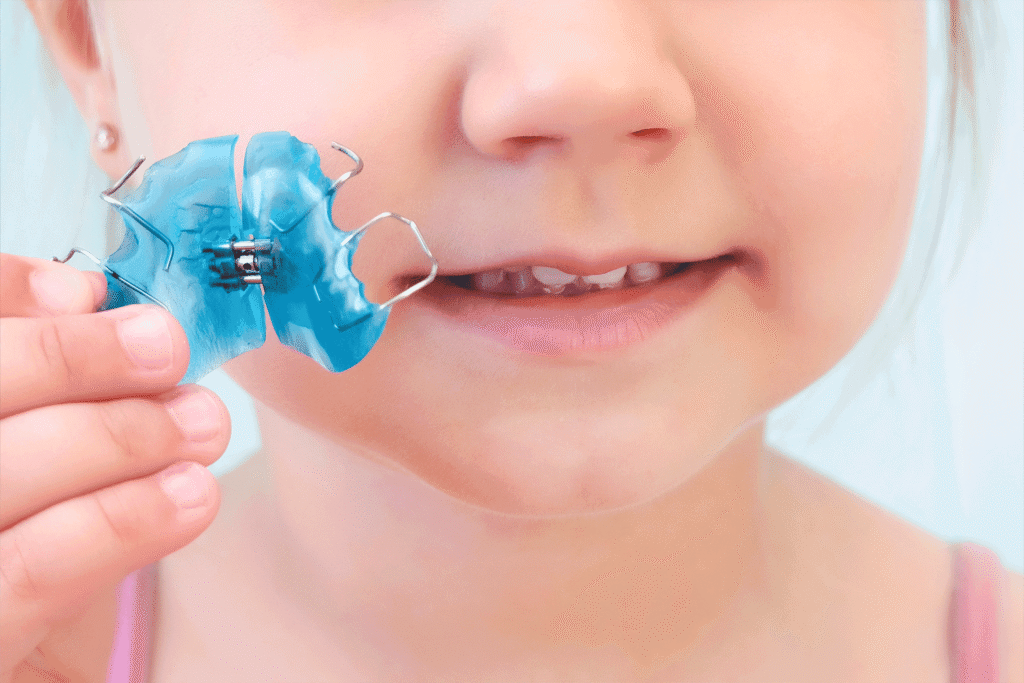
- Palatal expanders — Often used in children or teens to guide jaw development
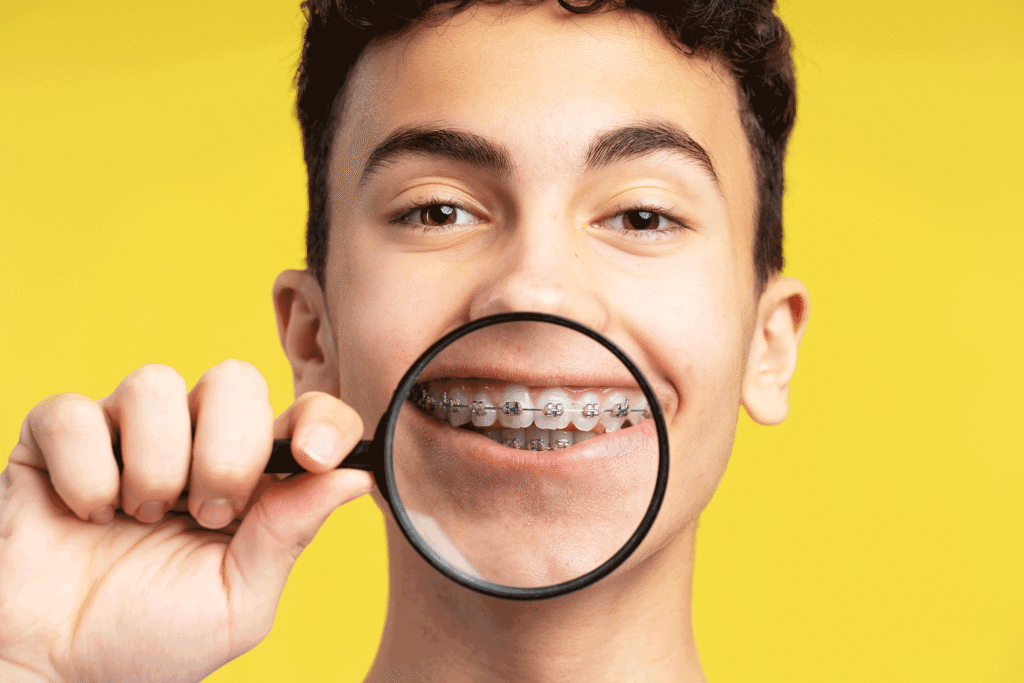
- Clear aligners or braces — To align teeth and support balanced jaw positioning
- Functional appliances — Designed to influence jaw posture in growing patients
- Retention strategies — To maintain structural improvements over time
Orthodontic treatment is often coordinated with other providers when airway concerns are present.
The Importance of a Multidisciplinary Approach
Airway and breathing issues are complex and rarely have a single solution. Orthodontics works best as part of a collaborative care model that may include:
- Pediatricians or primary care physicians
- Sleep specialists
- ENTs (ear, nose, and throat doctors)
- Myofunctional therapists
- Dentists and orthodontists
This team-based approach ensures that structural, functional, and medical factors are all considered when addressing breathing concerns.
What to Look for in an Airway-Aware Orthodontic Practice
Not all orthodontic care is designed with airway considerations in mind. When seeking specialized care, it’s helpful to look for a practice that emphasizes:
- Comprehensive evaluations — Beyond tooth alignment alone
- Digital imaging and diagnostics — To assess jaw and airway structure
- Individualized treatment planning — No one-size-fits-all solutions
- Collaboration with other healthcare providers
- Education and transparency — Clear explanations of goals and limitations
An airway-aware orthodontist takes time to understand how dental structure fits into the bigger picture of health.
Airway Considerations Across Different Ages
Orthodontic support for airway health can look different depending on age:
- Children — Early intervention may guide jaw growth and reduce future concerns
- Teens — Treatment can support airway development during growth spurts
- Adults — Orthodontics may improve structure and function, though skeletal changes are more limited
While early care offers the greatest opportunity for growth-related change, adults can still benefit from thoughtful, airway-conscious treatment planning.
The Role of Mindfulness and Daily Habits
Breathing health isn’t only structural—it’s also behavioral. Habits and posture play a role in how the airway functions day to day.
Supportive habits may include:
- Awareness of mouth breathing versus nasal breathing
- Proper tongue posture at rest
- Relaxation techniques to reduce jaw and neck tension
- Consistent use of orthodontic appliances or retainers
Orthodontic care paired with mindful habits supports more sustainable outcomes.
Setting Realistic Expectations
It’s important to approach airway-focused orthodontics with realistic expectations. Orthodontic treatment may support airway structure and function, but it is not a replacement for medical diagnosis or treatment of sleep-related disorders.
Clear communication and collaboration ensure that orthodontic care complements—not replaces—other necessary interventions.
Choosing Care That Supports Long-Term Wellness
When orthodontic treatment considers airway health, it reflects a broader commitment to whole-person care. By prioritizing balance, function, and thoughtful planning, airway-aware orthodontics supports comfort and wellness that extends beyond a straighter smile.
Orthodontics for Airway and Breathing Concerns in Albany, CA
At Asana Orthodontics in Albany, CA, airway awareness is thoughtfully integrated into orthodontic care. Dr. Nourah Abdul Kader and Dr. Laurie Estes take a comprehensive, collaborative approach—evaluating dental structure, jaw balance, and breathing considerations as part of individualized treatment planning.
Schedule a consultation today to learn how airway-aware orthodontic care can support comfort, function, and long-term wellness.