Athletes and active individuals often wonder whether orthodontic treatment will interfere with their performance, comfort, or routine. From contact sports to endurance training and recreational fitness, an active lifestyle places unique demands on the body—including the teeth and jaws.
The good news is that modern orthodontic treatment is designed to work alongside busy, physically active lives. With the right planning and precautions, athletes can safely and effectively pursue orthodontic care while staying focused on their sport.
Why Orthodontic Health Matters for Athletes
Oral health plays a larger role in athletic performance than many people realize. Bite alignment, jaw comfort, and muscle balance all influence how the body functions during physical activity.
When the bite is misaligned, athletes may experience jaw tension, uneven muscle activation, or discomfort that affects focus and recovery. Orthodontic treatment helps create balance within the bite, supporting comfort and long-term oral health—both on and off the field.
Common Concerns About Orthodontics and Sports
Athletes often hesitate to start orthodontic treatment due to concerns about safety and inconvenience. Common questions include whether braces increase injury risk, whether aligners can be worn during activity, and how treatment fits into demanding schedules.
Modern orthodontics addresses these concerns through improved materials, flexible treatment options, and protective measures designed specifically for active patients.
Braces and Athletic Participation
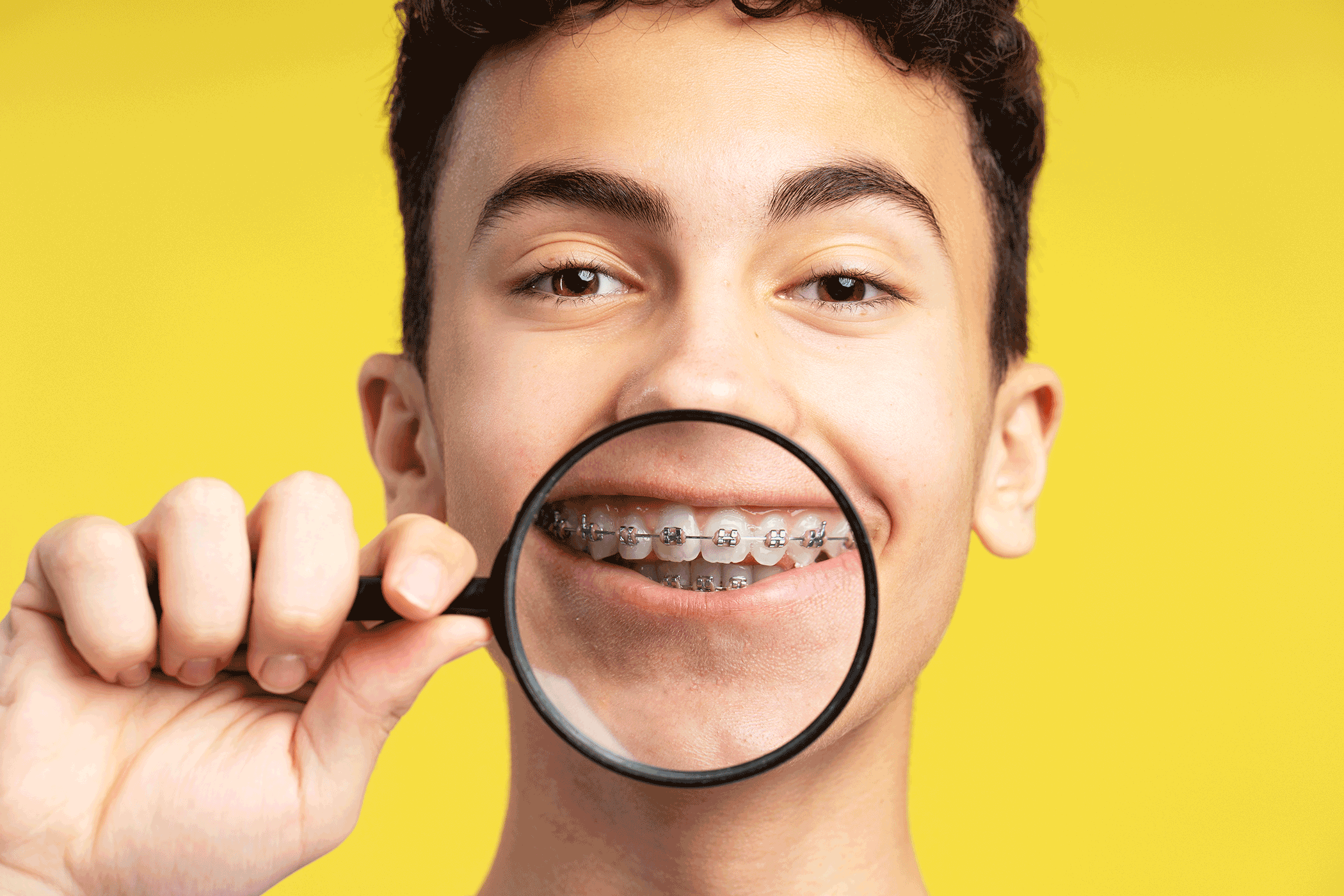
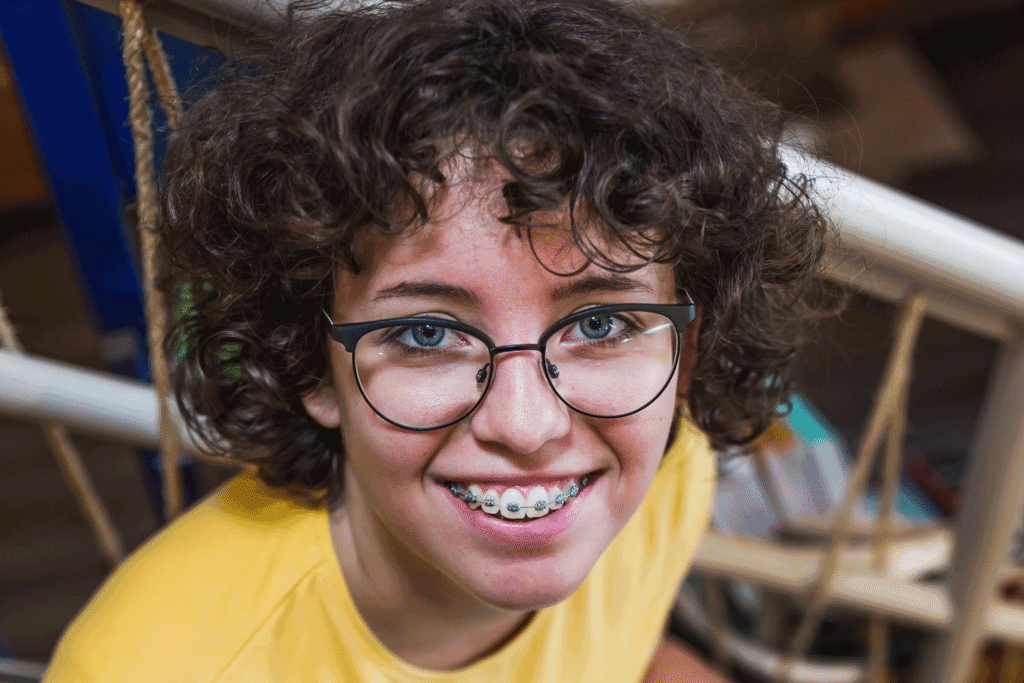
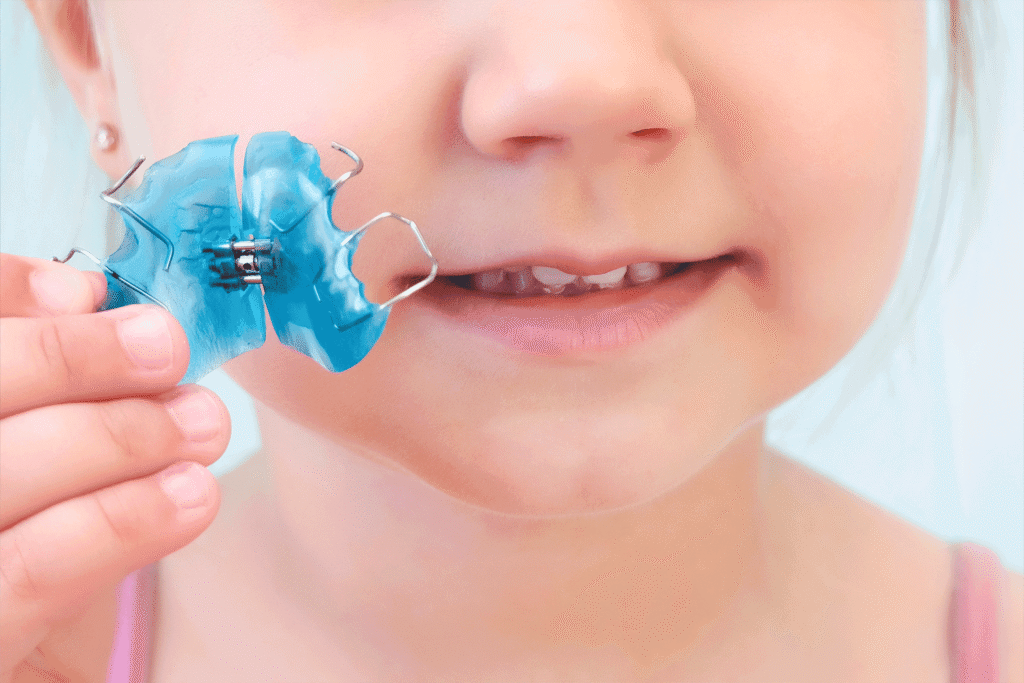
Braces remain a reliable option for correcting a wide range of orthodontic issues, including complex bite problems. For athletes, braces can be safely worn during sports with proper precautions.
One important consideration is the use of a mouthguard. A custom or orthodontic-friendly mouthguard helps protect both the teeth and the braces during contact or high-impact activities. With the right protection, athletes can continue participating in sports such as basketball, soccer, martial arts, and football.
Braces are fixed appliances, meaning they continue working regardless of daily routines. This consistency can be beneficial for athletes who prefer a treatment option that doesn’t require remembering to wear aligners.
Invisalign and Active Lifestyles
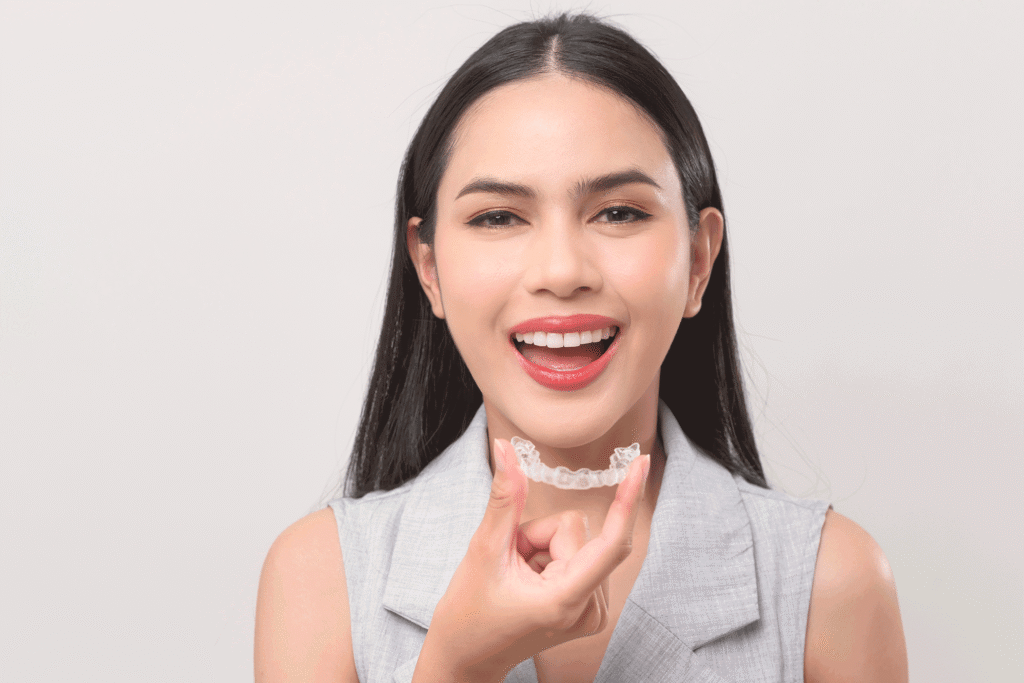
Clear aligners like Invisalign are a popular choice for athletes who value flexibility and discretion. Because aligners are removable, they can be taken out temporarily during games, competitions, or practices when wearing a mouthguard is required.
Invisalign aligners are smooth and comfortable, reducing the risk of irritation during training. However, success with aligners depends on consistent wear outside of athletic activities. Athletes must be disciplined about wearing aligners for the recommended number of hours each day to achieve desired results.
Comparing Braces and Invisalign for Athletes
- Braces — Always working, effective for complex cases, require mouthguard protection during sports
- Invisalign — Removable and discreet, compatible with mouthguards, requires consistent wear compliance
The best choice depends on the athlete’s sport, level of activity, orthodontic needs, and personal preferences.
Protecting Your Smile During Sports
Regardless of treatment type, protection is key. Mouthguards play an essential role in preventing dental injuries and protecting orthodontic appliances.
Athletes undergoing orthodontic treatment should use a mouthguard designed to fit comfortably over braces or be worn when aligners are removed. This added layer of protection helps reduce the risk of injury and ensures treatment progresses safely.
Scheduling and Treatment Flexibility
Athletes often juggle training, competitions, travel, and school or work commitments. Orthodontic practices accommodate these schedules by offering efficient appointments and flexible treatment planning.
Modern orthodontics uses digital planning and streamlined visits, making it easier for athletes to stay on track with treatment without disrupting their routines.
Nutrition, Hydration, and Oral Care
Active lifestyles place unique demands on nutrition and hydration, which can affect oral health during orthodontic treatment. Proper oral hygiene helps prevent issues such as enamel wear or irritation around appliances.
Athletes are encouraged to maintain balanced nutrition, stay hydrated, and follow orthodontic care instructions closely. These habits support both athletic performance and orthodontic success.
Orthodontic Treatment for Youth and Adult Athletes
Athletes of all ages can benefit from orthodontic care. For youth athletes, early orthodontic treatment may help guide development and protect growing smiles. For teens and adults, orthodontics supports bite balance, comfort, and long-term oral health.
Whether participating in competitive sports or recreational activities, orthodontic treatment can be adapted to support an active lifestyle at any stage.
Why Orthodontic Treatment Doesn’t Have to Slow You Down
With proper planning, orthodontic treatment integrates smoothly into an active lifestyle. Advances in materials, appliance design, and treatment monitoring allow athletes to stay focused on performance while working toward a healthier smile.
Orthodontic care is not about limitation—it’s about supporting balance, function, and confidence in everyday life.
Orthodontic Care for Athletes in Albany, CA
At Asana Orthodontics in Albany, CA, athletes receive personalized orthodontic care designed to support active lifestyles. Dr. Nourah Abdul Kader and Dr. Laurie Estes consider sport-specific needs, schedules, and safety when creating treatment plans—helping patients stay active while achieving long-term oral health and alignment.
Schedule a consultation today to explore orthodontic treatment options that fit your active lifestyle.