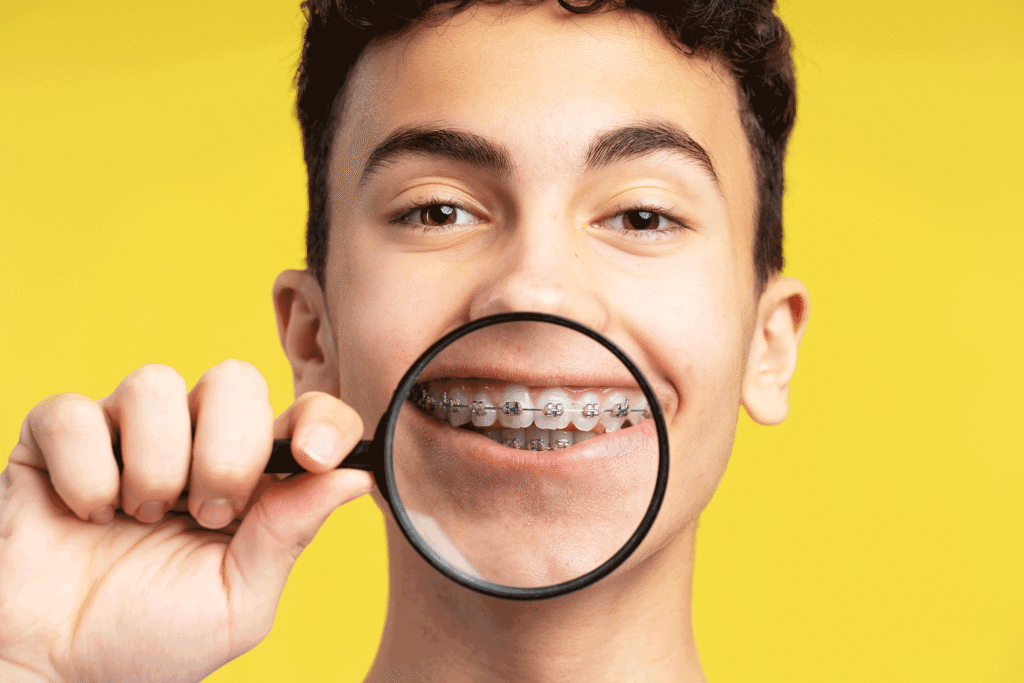
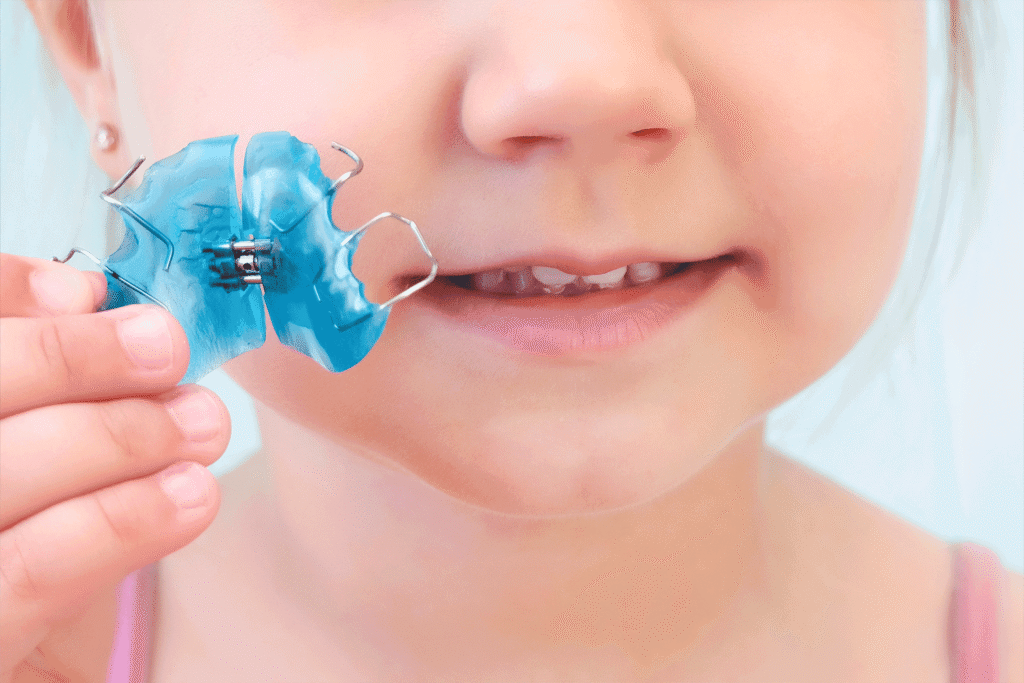
Clear aligners have made orthodontic treatment more accessible than ever. With ads promising straighter teeth from home, many adults wonder whether at-home aligners are a comparable alternative to traditional, in-office orthodontic care.
While both options aim to improve alignment, the experience, level of supervision, and scope of treatment differ significantly. Understanding these differences helps patients make informed decisions that support both short-term results and long-term oral health.
What Are At-Home Aligners?
At-home aligner systems are typically ordered online. Patients take their own impressions or scans, receive a series of aligners by mail, and complete treatment with limited or no in-person visits.
These systems are designed primarily for cosmetic alignment of mild spacing or crowding issues. The appeal lies in convenience and perceived affordability.
Common features of at-home aligners include:
- Remote treatment planning
- No routine in-person appointments
- Aligners delivered directly to the home
- Limited communication with dental professionals
While this model works for some cases, it also has important limitations.
What Is In-Office Orthodontic Treatment?
In-office orthodontics involves comprehensive care supervised by a licensed orthodontist. Treatment begins with an in-person evaluation, diagnostic imaging, and a customized plan based on tooth movement, bite function, jaw alignment, and long-term stability.
In-office treatment may include braces, Invisalign, or other orthodontic appliances, depending on individual needs.
Key elements of in-office orthodontics include:
- Thorough clinical exam and diagnostics
- Ongoing monitoring and adjustments
- Professional oversight of tooth and jaw movement
- Ability to address functional concerns, not just appearance
Comparing Treatment Scope and Effectiveness
One of the most important differences between at-home aligners and in-office orthodontics is what they can actually treat.
- At-home aligners — Best suited for very mild cosmetic changes
- In-office orthodontics — Can treat mild, moderate, and complex cases
In-office care can address:
- Bite issues — Overbite, underbite, crossbite, open bite
- Jaw alignment concerns
- Tooth rotation and vertical movement
- Long-term retention and stability
Without hands-on monitoring, at-home aligners are limited in their ability to safely guide more complex movements.
The Importance of Professional Supervision
Teeth don’t move independently—they’re connected to bone, gums, and muscles. Orthodontic treatment requires careful oversight to ensure movement happens safely and predictably.
In-office orthodontic care provides:
- Regular progress checks
- Adjustments if teeth are not tracking properly
- Monitoring of gum health and root position
- Immediate response to discomfort or complications
At-home aligners rely heavily on self-reporting, which may delay identification of issues such as bite changes, gum irritation, or improper movement.
Bite Function and Long-Term Oral Health
Straight teeth alone don’t guarantee a healthy bite. How the teeth come together affects chewing efficiency, jaw comfort, and long-term tooth wear.
In-office orthodontics evaluates:
- How the bite functions during movement
- Jaw balance and joint health
- Even distribution of pressure across teeth
At-home aligners typically focus on tooth position without fully assessing how changes may impact bite function.
Comfort, Safety, and Predictability
Orthodontic treatment should be gradual and controlled. When tooth movement happens too quickly or without supervision, discomfort and complications may arise.
In-office care prioritizes:
- Gradual, biologically appropriate movement
- Adjustments based on real-time response
- Patient comfort throughout treatment
At-home aligners may not offer the same level of adaptability, particularly if aligners don’t fit as intended.
Cost Considerations — What’s Included?
Cost is often a deciding factor, but it’s important to look beyond the upfront price.
At-home aligner costs typically include:
- A set number of aligners
- Remote treatment planning
In-office orthodontic fees often include:
- Comprehensive diagnostics and imaging
- All appointments and adjustments
- Treatment refinements if needed
- Retainers and long-term follow-up
Comparing value—not just cost—helps clarify which option aligns best with long-term goals.
Who Might Be a Good Candidate for At-Home Aligners?
At-home aligners may be appropriate for individuals who:
- Have very mild spacing or crowding
- Do not have bite or jaw issues
- Are comfortable managing treatment independently
- Understand the limitations of remote care
Even in these cases, a professional evaluation is recommended before starting treatment.
Who Benefits Most from In-Office Orthodontics?
In-office orthodontic care is ideal for individuals who:
- Have bite alignment or jaw concerns
- Want comprehensive, supervised treatment
- Value long-term oral health and stability
- Prefer professional guidance and accountability
Making an Informed Choice
Choosing between at-home aligners and in-office orthodontics isn’t about which option is better universally—it’s about which is appropriate for your needs. Understanding treatment scope, supervision, and long-term implications helps patients make decisions with confidence and clarity.
At-Home Aligners vs In-Office Orthodontics in Albany, CA
At Asana Orthodontics in Albany, CA, patients receive personalized, in-office orthodontic care focused on safety, function, and long-term wellness. Dr. Nourah Abdul Kader and Dr. Laurie Estes take a mindful, transparent approach to treatment—helping patients understand their options and choose care that truly supports their health and goals.
Schedule a consultation today to explore orthodontic care designed with clarity, comfort, and long-term results in mind.