When parents think about orthodontic treatment, many assume it begins during the teenage years. While comprehensive treatment often happens later, early orthodontic evaluations and intervention can play an important role in a child’s growth and development. Addressing orthodontic concerns at the right time may help guide jaw development, improve function, and reduce the need for more complex treatment in the future.
Early intervention orthodontics focuses on identifying and addressing potential issues while a child is still growing. Understanding why timing matters empowers parents to make informed decisions that support their child’s long-term oral health and overall well-being.
What Is Early Intervention Orthodontics?
Early intervention orthodontics—sometimes called interceptive orthodontics—refers to orthodontic care provided during childhood, typically before all permanent teeth have erupted. Rather than straightening every tooth, the goal is to guide growth and development in a healthy direction.
This phase of care focuses on creating balance in the jaws, improving bite alignment, and making space for incoming permanent teeth. Early treatment doesn’t always eliminate the need for orthodontics later, but it can simplify future care and improve outcomes.
Why Timing Matters in Orthodontic Development
Children’s jaws are still growing, which creates a unique opportunity to influence development in ways that aren’t possible once growth is complete. During this stage, orthodontic treatment can gently guide jaw growth and tooth eruption rather than correcting fully developed problems later.
Addressing concerns early may help prevent issues from becoming more severe. In some cases, timely intervention can reduce treatment length, complexity, or the need for extractions later in adolescence.
Common Issues Early Orthodontics Can Address
- Bite problems — Overbites, underbites, crossbites, or open bites
- Crowding or spacing — Limited room for permanent teeth to erupt properly
- Jaw growth imbalances — Upper or lower jaw developing disproportionately
- Oral habits — Thumb sucking or tongue posture affecting alignment
Not every child needs early treatment, but identifying these patterns early allows orthodontists to monitor development closely.
Signs a Child May Benefit from an Early Orthodontic Evaluation
Some orthodontic concerns are easy to spot, while others are more subtle. Parents may notice signs such as difficulty chewing, mouth breathing, early or late loss of baby teeth, or teeth that appear crowded or misaligned.
The American Association of Orthodontists recommends that children receive their first orthodontic evaluation around age seven. At this age, enough permanent teeth are present to assess development while growth is still active.
How Early Orthodontic Treatment Supports Healthy Growth
Early orthodontic treatment works with a child’s natural growth rather than against it. Depending on the child’s needs, treatment may help guide jaw development, create space for permanent teeth, or improve bite function.
This approach supports not only dental alignment, but also overall facial balance and oral function. By addressing issues early, orthodontic care can help establish a healthier foundation for future development.
What Early Orthodontic Treatment May Involve
Early treatment plans are highly individualized. Some children may benefit from simple monitoring, while others may need orthodontic appliances designed to guide growth.
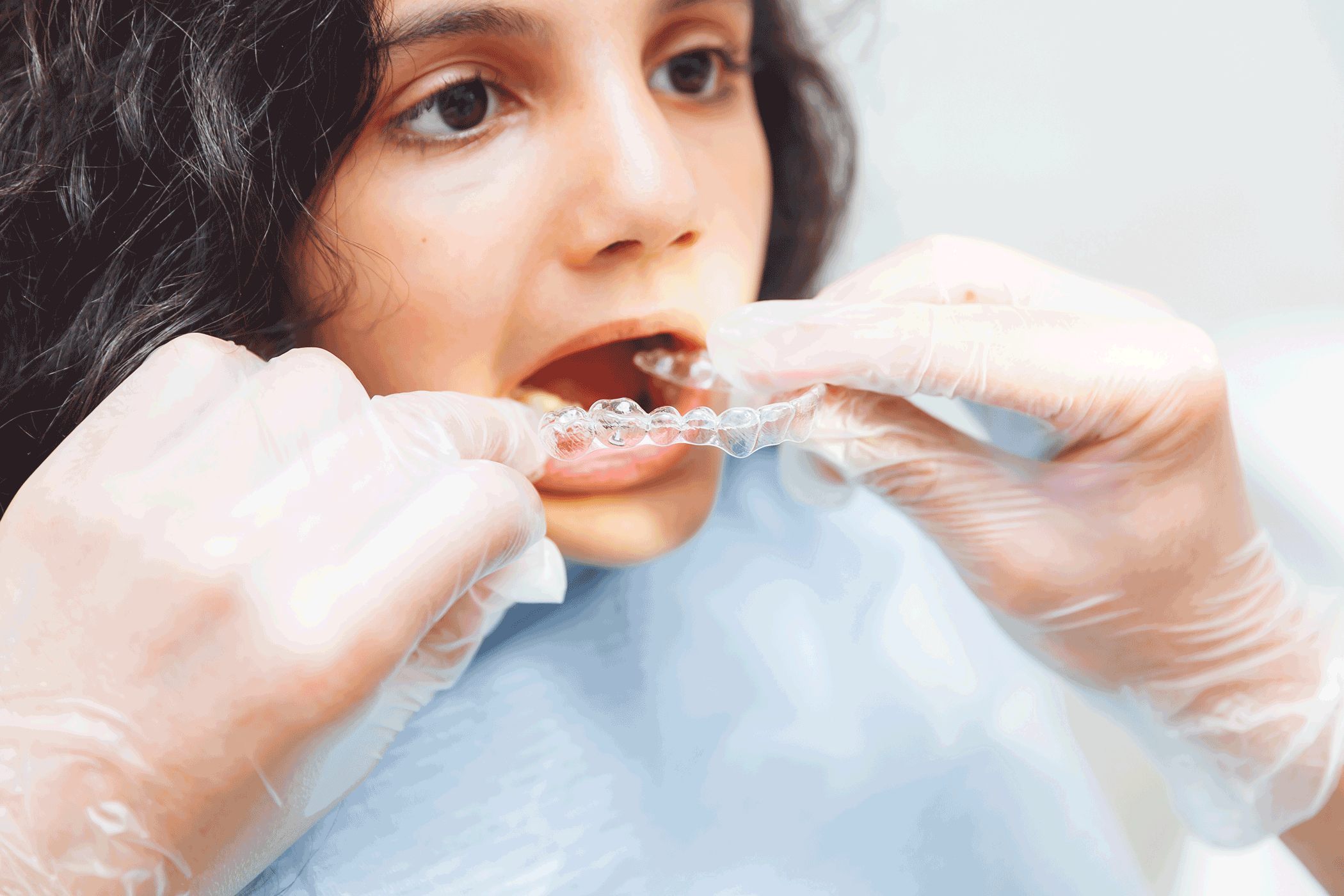
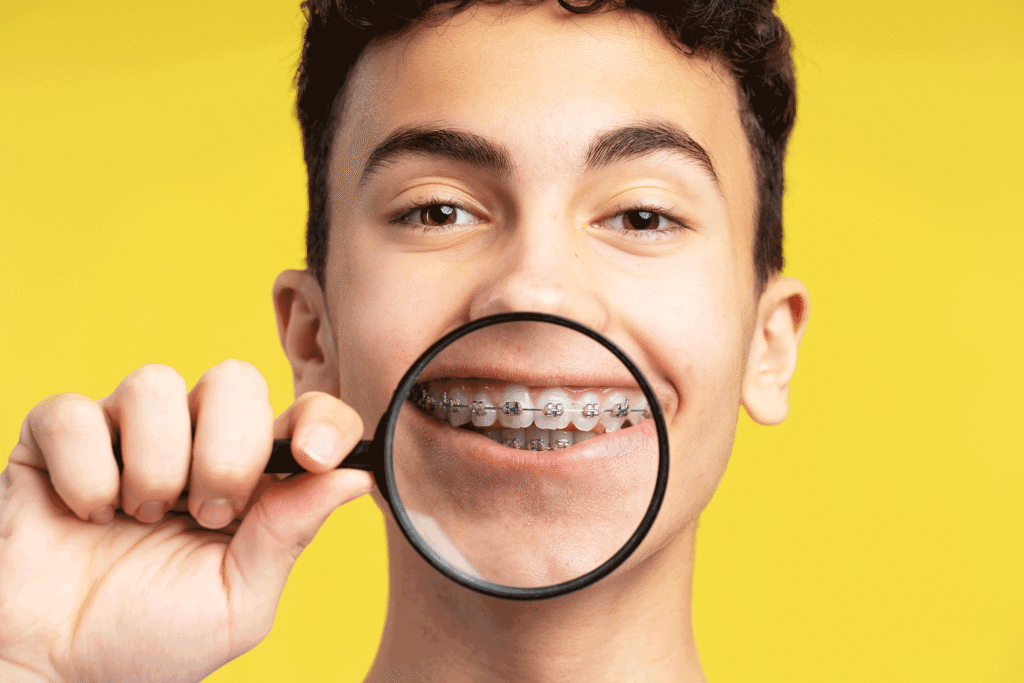
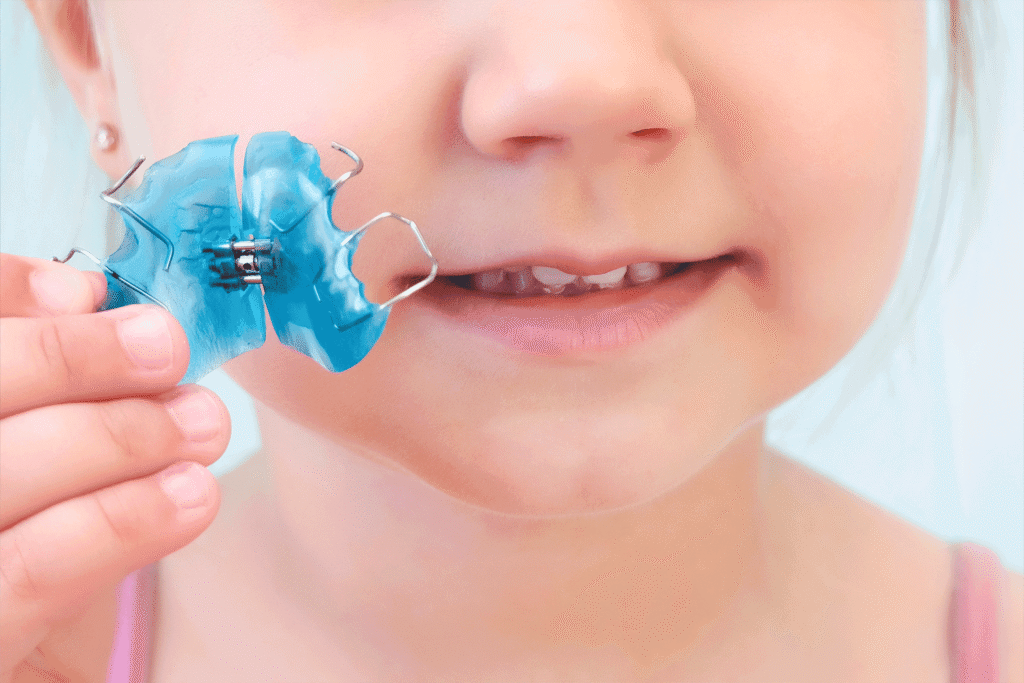
Treatment may include expanders, partial braces, or other appliances used for a limited period of time. These tools are designed to be gentle, effective, and appropriate for growing children.
Importantly, early intervention is often followed by a resting phase, allowing remaining permanent teeth to erupt naturally before any additional treatment is considered.
Benefits of Early Intervention Orthodontics
- Improved jaw growth and bite balance
- Reduced risk of tooth impaction or severe crowding
- Shorter or simpler treatment later
- Improved oral function and comfort
- Support for healthy breathing and habits
These benefits reflect the goal of proactive care rather than reactive correction.
Early Treatment vs. Waiting — What Parents Should Know
Waiting until all permanent teeth come in may be appropriate for some children, but others benefit from early guidance. An orthodontic evaluation helps determine whether monitoring or intervention is the best approach.
Early treatment doesn’t mean rushing into care—it means understanding development and timing treatment thoughtfully. For many children, observation alone is the first step, with intervention only recommended if and when it’s beneficial.
Creating a Positive Orthodontic Experience for Children
Early orthodontic care can also help children become comfortable with dental visits and oral health routines. When treatment is introduced gradually and explained clearly, children are more likely to feel confident and cooperative.
A supportive environment and clear communication help make orthodontic care a positive experience, laying the groundwork for healthy habits as children grow.
Supporting Long-Term Oral Health Through Early Care
Early intervention orthodontics focuses on prevention, balance, and healthy development. By addressing potential concerns at the right time, orthodontic care supports long-term oral health rather than simply correcting visible issues later.
Thoughtful timing allows treatment to work with natural growth, creating outcomes that are both effective and sustainable.
Early Orthodontic Care for Children in Albany, CA
At Asana Orthodontics in Albany, CA, early intervention orthodontics is approached with care, patience, and a focus on healthy development. Dr. Nourah Abdul Kader and Dr. Laurie Estes provide thorough evaluations and personalized recommendations, helping families understand whether early orthodontic care may benefit their child now or in the future.
Schedule a consultation today to learn more about early orthodontic evaluations and support your child’s healthy smile development.