
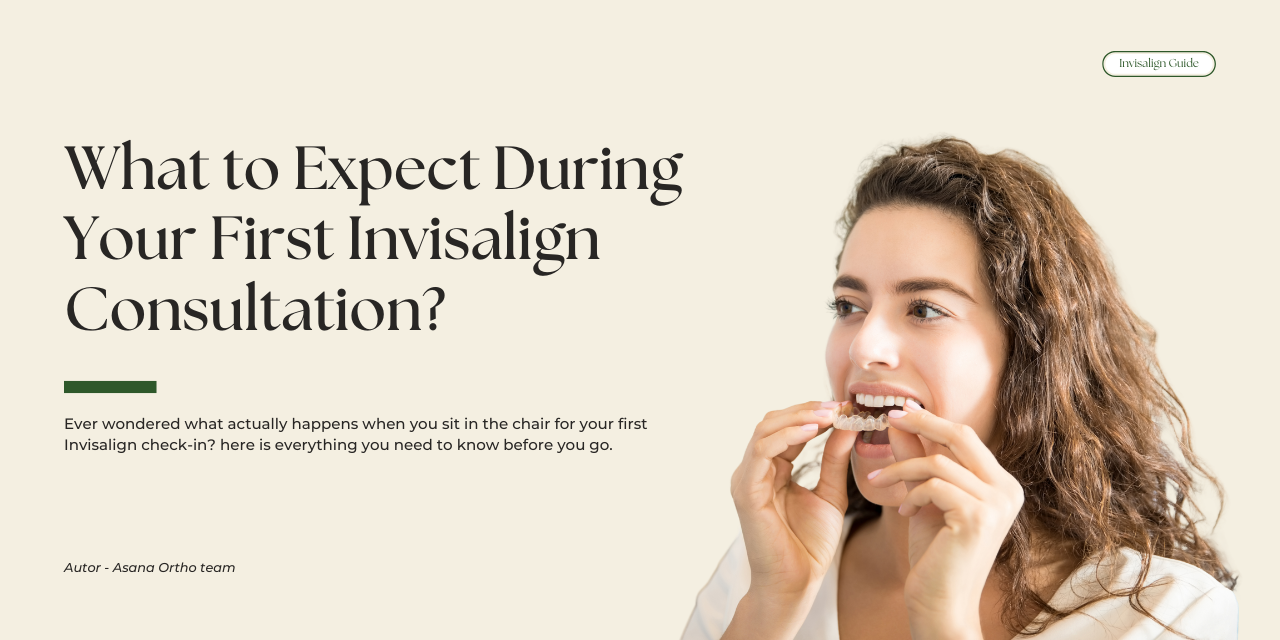
Invisalign vs Braces: Which Is Better for Adults in Berkeley?
What is Invisalign? What are braces? How are they different? And, most importantly, which one works for you?
If you’re looking into straightening your teeth, you would have a hunders questions like these running through your head right now.
But the truth here is both Invisalign and traditional braces have their own pros and cons. Picking the right one entirely depends on your specific goals, your daily lifestyle, and what’s actually going on with your bite.
In this blog, we’re going to break down the complete difference between the two, side-by-side. By the end of this guide, you’ll have total clarity on how they work, how they feel in real life, and which one is the perfect fit for your smile.
What's the Actual Difference Between Invisalign & Braces?
Before we get into which one is more comfortable, convenient, or suitable for adults, let’s start with the basics: what exactly are Invisalign and braces, and how do they work?
Both are orthodontic treatment options used to correct the alignment of your teeth and address problems with how your upper and lower teeth come together, known as your bite. Orthodontic treatment can address concerns such as crowding, spacing, overbites, underbites, crossbites, and other alignment issues.
What Is Invisalign?
Invisalign uses a series of clear, custom-made aligners that fit over your teeth. Each set is designed to make specific tooth movements according to your personalized treatment plan.
The aligners are removable, so you can take them out when eating, brushing, and flossing. They’re also designed to be discreet, which is one reason many adults consider Invisalign.
What Are Braces?
Braces use brackets attached to your teeth and wires that connect them. These components apply controlled forces to gradually move your teeth and, when needed, help correct your bite. Your orthodontist can also use additional components such as elastics to guide specific movements.
Unlike Invisalign, braces remain fixed to your teeth throughout treatment.
So, while both are orthodontic treatments designed around controlled tooth movement and bite correction, the way they deliver that treatment is very different.
Now that we know what each treatment actually does, let’s put Invisalign and braces side by side and look at the differences that matter most.
| Factor | Invisalign | Braces |
|---|---|---|
| Appearance | Clear and discreet | More visible, especially traditional metal braces |
| Removable | Yes, remove them for eating, brushing, and flossing | No, brackets and wires stay in place throughout treatment |
| Eating | No major food restrictions since you remove the aligners to eat | You'll need to avoid certain hard, sticky, and chewy foods |
| Oral hygiene | Easier to brush and floss normally | Requires extra care around brackets and wires |
| Comfort | Usually mild pressure or soreness when starting or changing aligners | Some soreness after placement or adjustments; brackets and wires may cause temporary irritation |
| Daily responsibility | Requires consistent wear, typically around 20–22 hours a day | No need to remember to put them back in |
| Appointments | Asana Ortho typically sees Invisalign patients every 6–8 weeks, with virtual check-ins available in some cases | Regular in-person appointments are needed for adjustments |
| Treatment options | Effective for many orthodontic concerns; suitability depends on the case | Can treat a broad range of orthodontic problems, including complex cases |
| Lifestyle | Easy to remove for meals, photos, meetings, and special occasions | Fixed treatment, so you don't have to think about removing or replacing anything |
| Best suited for | Adults who want a discreet, removable option and can stay consistent with wear | Patients who need fixed orthodontic treatment or don't want the responsibility of removable aligners |
How to Pick the Treatment That's Best for You?
So, there’s no magic checklist that would help you tick off boxes and choose the perfect ones. Instead, it really comes down to thinking about what your day-to-day life actually looks like and what’s going to make your life easier over the next several months.
Do you want your treatment to be practically invisible? Are you constantly traveling & eating out? Or would you honestly rather have a “set-it-and-forget-it” treatment that works 24/7 without you having to think about it?
Let’s walk through the real-world, everyday differences so you can see which option fits your actual lifestyle.
1. How Visible Do You Want Your Treatment to Be?
Let’s start with the obvious one.
For a lot of adults, wearing braces isn’t necessarily a dealbreaker, but let’s be real: most people would prefer that metal brackets aren’t the very first thing someone notices when they walk into a room or present in a meeting.
That’s where Invisalign stands out. Because the aligners are made of clear, smooth plastic, they are incredibly discreet. They blend right into day-to-day lifestyle. Most people won’t even realize you’re wearing them unless you point it out.
Now, traditional braces are definitely more visible. You can opt for ceramic or clear brackets to make them blend in a bit better, but at the end of the day, people will still see that you’re wearing orthodontic hardware.
So, if keeping your treatment on the down-low is super important to your confidence or your job, clear aligners give you a level of freedom that braces just can’t match.
2. Do You Want to Keep Your Normal Diet?
When you have traditional braces, you have to be pretty careful about what you bite into. Hard, sticky, or super chewy foods, like popcorn, whole apples, gummy candies, or tough crusts can snap a bracket off or bend a wire.
It doesn’t mean you’ll starve, but it does mean you constantly have to think twice before taking a bite.
With Invisalign, you just pop your aligners out whenever it’s time to eat. That means zero food restrictions! You can eat your favorite meals, bite into a burger, or enjoy crunchy snacks without worrying about breaking anything.
The only real rule? You need to give your teeth a quick brush (or at least rinse your mouth out really well) before snapping the aligners back in so you don’t trap food against your teeth.
So, if you’re a big foodie or just don’t want to compromise on what you eat, removable aligners make mealtimes way less complicated.
3. Which One Fits Your Routine?
Both options require keeping your mouth super clean, but the way you get there is pretty different. With braces, brushing and flossing takes some real effort. You have to thread floss under the wires and navigate carefully around every single bracket to make sure food isn’t getting trapped. It’s totally doable, but it takes extra time in front of the bathroom mirror every night.
With Invisalign, oral hygiene is a breeze. You take the aligners out, brush and floss like you normally would, rinse your trays, and you’re good to go.
For Invisalign to actually work and stay on schedule, you have to wear them for 20 to 22 hours every single day. That means the aligners should only be out of your mouth when you are actively eating or brushing.
So, be totally honest with yourself here: Are you the kind of person who will easily remember to pop your trays right back in after drinking a coffee or finishing lunch? If the answer is yes, Invisalign is super convenient. But if you know you’re constantly misplacing things, losing track of time, or leaving things on your desk, fixed braces might actually save you a ton of stress because you literally can’t forget to wear them!
4. Which One Feels Better?
Let’s clear up a common myth straight away: neither option is 100% painless. Moving teeth takes continuous physical pressure, so you’re going to feel something no matter which path you take.
With Invisalign, whenever you switch to a fresh set of aligners, you’ll feel a distinct tightness or mild ache for the first day or two. That pressure is completely normal, it just means the plastic is going to work and moving your teeth according to plan.
Braces also cause some temporary soreness, especially right after you get them put on or after your orthodontist tightens them. On top of that, metal brackets and wire ends can sometimes rub against the inside of your cheeks and lips while your mouth gets used to having hardware in there.
So, instead of asking “Which one is completely pain-free?”, the better question to ask yourself is:
“Which type of everyday feeling am I going to be more comfortable living with?”
A little sneak peak into your consultation
Do you prefer the smooth, snug pressure of custom plastic, or are you okay dealing with brackets and wires in exchange for not having to track your wear time? When you come in for a consultation, we can walk you through what the adjustment period looks like for both options so you know exactly what to expect!
What About the Cost of Invisalign vs Braces?
Cost is a massive factor whenever you’re considering orthodontic work as an adult.
A lot of people come in assuming Invisalign will automatically cost twice as much as traditional braces. But what really drives the cost is how complex your case is, how long you’ll be in treatment, and what kind of specific tooth movements are required.
In the Berkeley area, Invisalign treatment at Asana Ortho typically ranges anywhere from $4,000 to $9,000.
Here’s the good news about paying for treatment as an adult:
- Insurance coverage: If your health or dental plan includes orthodontic benefits (like the UC Berkeley SHIP plan via MetLife), it can often cover a solid chunk, sometimes up to 50% depending on plan caps.
- Flexible financing: Most patients don’t pay all at once. Flexible payment plans usually let you break down the balance into manageable monthly installments (often with an initial down payment around $500), spread out over 12 to 36 months.
Want a deeper dive before your visit? You can read our detailed breakdown on Invisalign cost in Berkeley.
What Happens at Asana Ortho?
When you step through our doors at Asana Ortho, we don’t just jump straight into taking impressions. The whole process starts with a simple, relaxed conversation about what you actually want to change about your smile.
Maybe you’re tired of dealing with crowded bottom teeth that are a nightmare to floss. Maybe you’ve got a gap between your front teeth that’s always bugged you in photos.
Whatever brought you in, Dr. Nourah and our team will take the time to really evaluate your teeth, your bite, and overall alignment. We’ll take quick 3D digital scans, high-resolution photos, and low-radiation X-rays to get a complete, high-definition picture of what’s happening underneath the surface.
From there, we sit down together and map out the whole game plan:
- The Treatment Options: We’ll walk you through whether Invisalign, traditional braces, or a hybrid approach makes the most sense for your goals.
- The Timeline: You’ll get a realistic estimate of how long your specific case will take—no empty promises or unrealistic shortcuts.
- The Financial Breakdown: We break down the total cost, dive into your dental insurance benefits, and show you exactly how flexible monthly payment plans can work for your budget.
If clear aligners turn out to be the perfect fit, we will use that 3D scan to digitally design every single micro-movement of your teeth before your custom trays are ever printed.
Want the full, step-by-step preview of day one? Read our complete guide on What to Expect at Your First Invisalign Consultation at Asana Ortho
Ready to Find Out Which Treatment Is Right for You?
You don’t have to make the decision based on what worked for your friend, what you saw on Instagram, or which option looks better in a comparison chart.
At Asana Ortho, your treatment starts with understanding what your smile actually needs.
Book your 100% complimentary consultation to discuss your goals, explore your treatment options, and get a personalized idea of what your orthodontic journey could look like.
No pressure. No one-size-fits-all treatment. Just a clear conversation about your smile and what comes next. Book Your Complimentary Consultation.